Why Brainstorming Fails: The Problem with Simultaneous Thinking
Traditional brainstorming is chaos. Someone mentions a risk. Another person defends the upside. A third person asks for data. Someone else wants to talk about how this feels. Within five minutes, the conversation fractures into competing threads and nobody agrees on what was decided.
The fundamental problem: when everyone thinks in different modes simultaneously, you get noise instead of signal. One person is analyzing facts while another is exploring feelings. Optimists clash with pessimists. Data-driven thinkers dismiss emotional concerns as irrelevant.
Research on group decision-making shows that unstructured discussions favor the loudest voices, not the best ideas. Introverts stay silent. Critical risks go unmentioned because someone already pivoted to benefits. Emotions stay suppressed because the group is "being logical."
Structured brainstorming solves this by forcing parallel thinking: everyone wears the same "thinking hat" at the same time. First, everyone explores facts. Then everyone explores risks. Then benefits. This structure prevents chaos, surfaces hidden concerns, and ensures every perspective gets airtime.
The 6 Thinking Modes: One Hat at a Time
Based on Edward de Bono's Six Thinking Hats framework, this tool forces teams to examine decisions from six distinct perspectives—one at a time. No mixing. No interruptions. Pure parallel thinking.
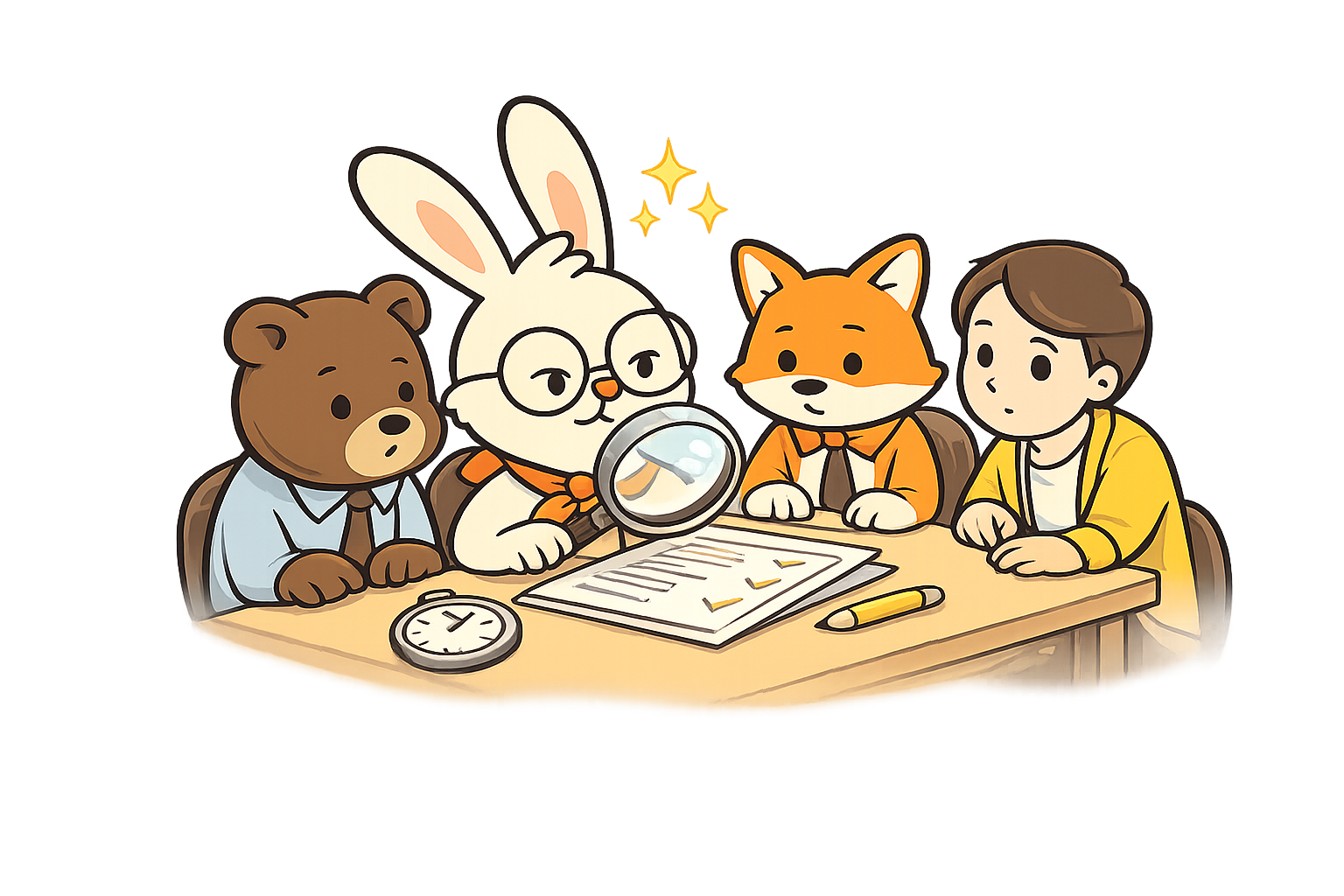
Just the Facts
White HatStrip away opinions, stories, and assumptions to focus only on what is verifiably true right now.
Start Brainstorming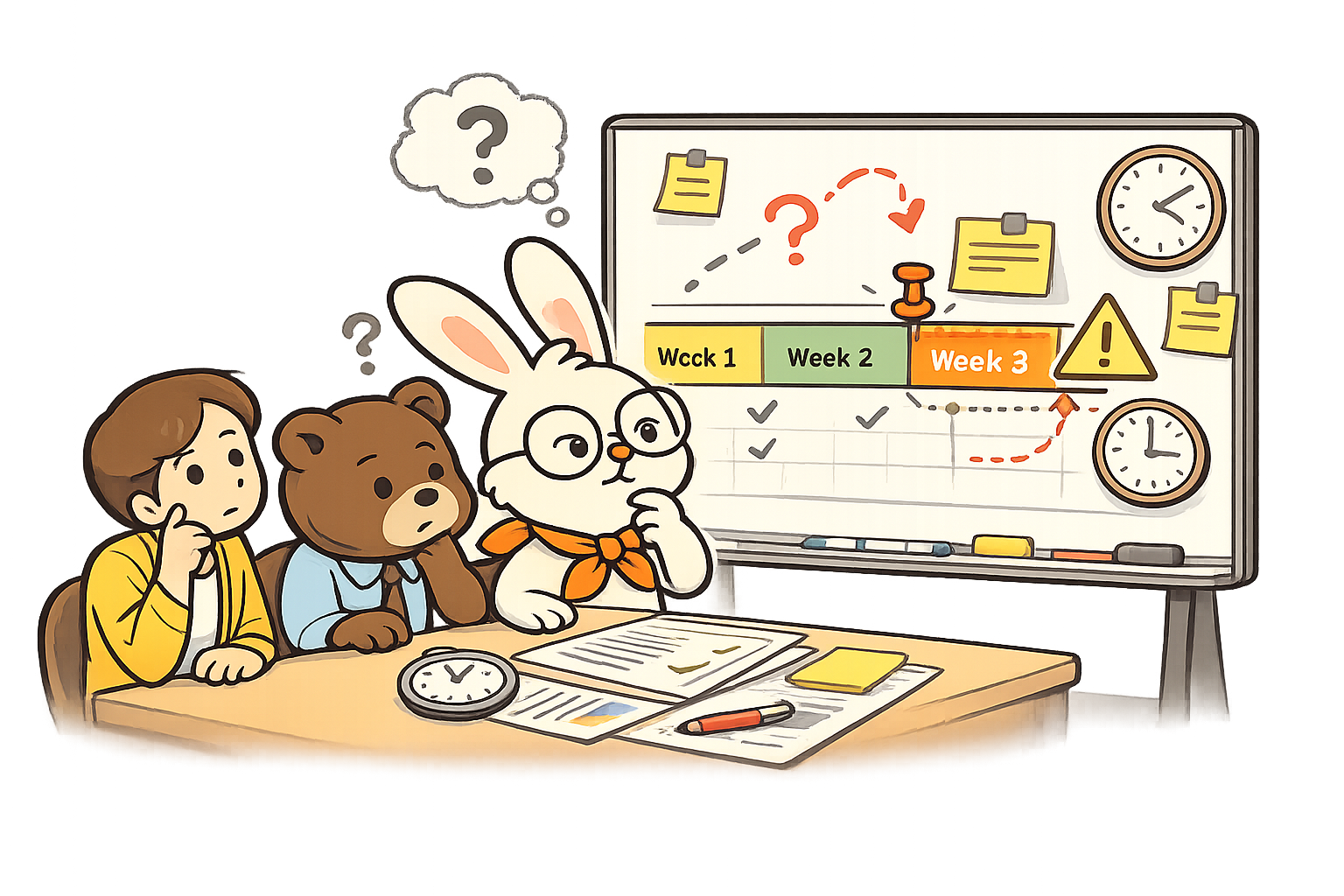
What Could Go Wrong
Black HatSurface risks, weak spots, and failure points before they surprise you later.
Start Brainstorming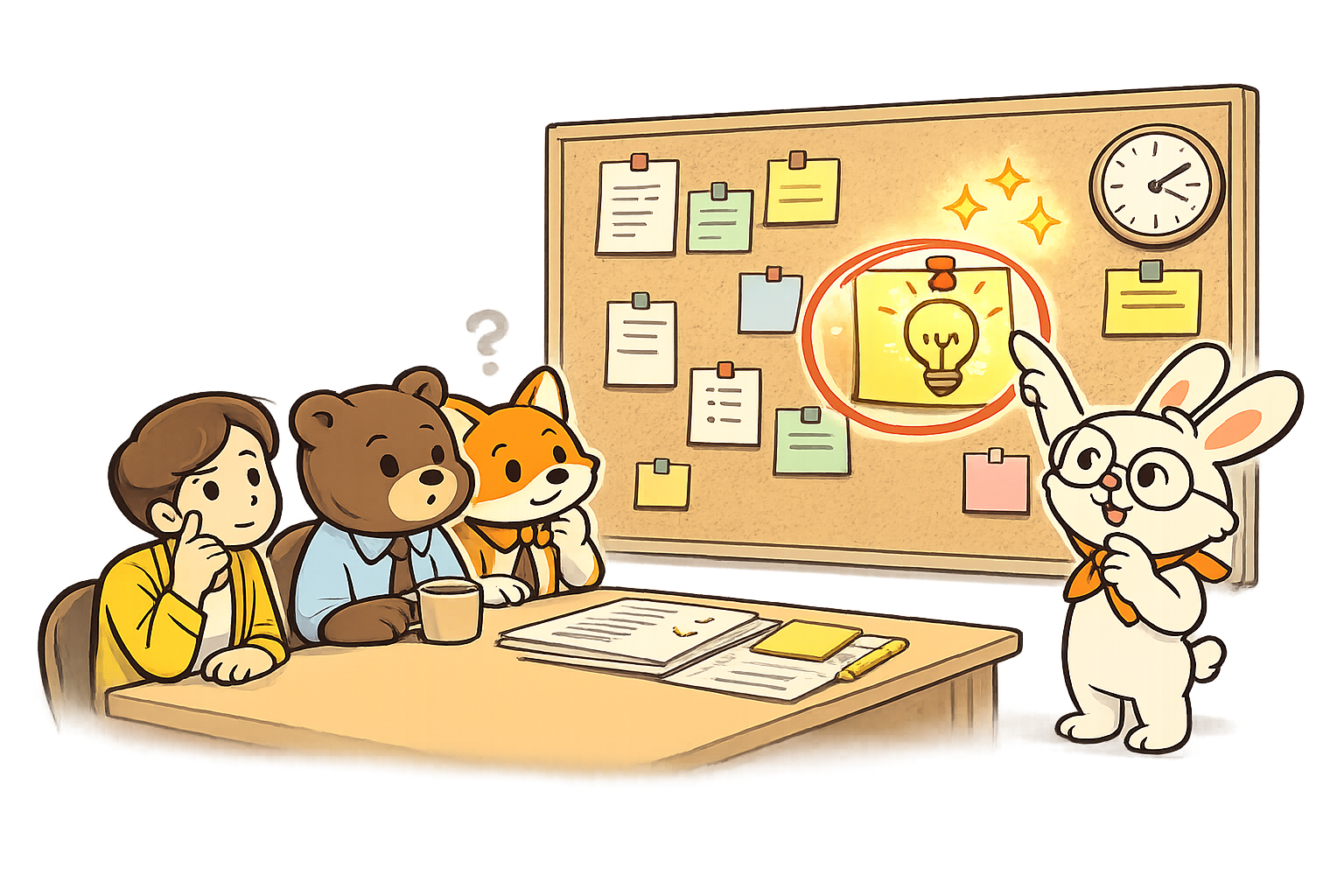
What Could Work
Yellow HatIdentify strengths, advantages, and conditions that give this a real chance of succeeding.
Start Brainstorming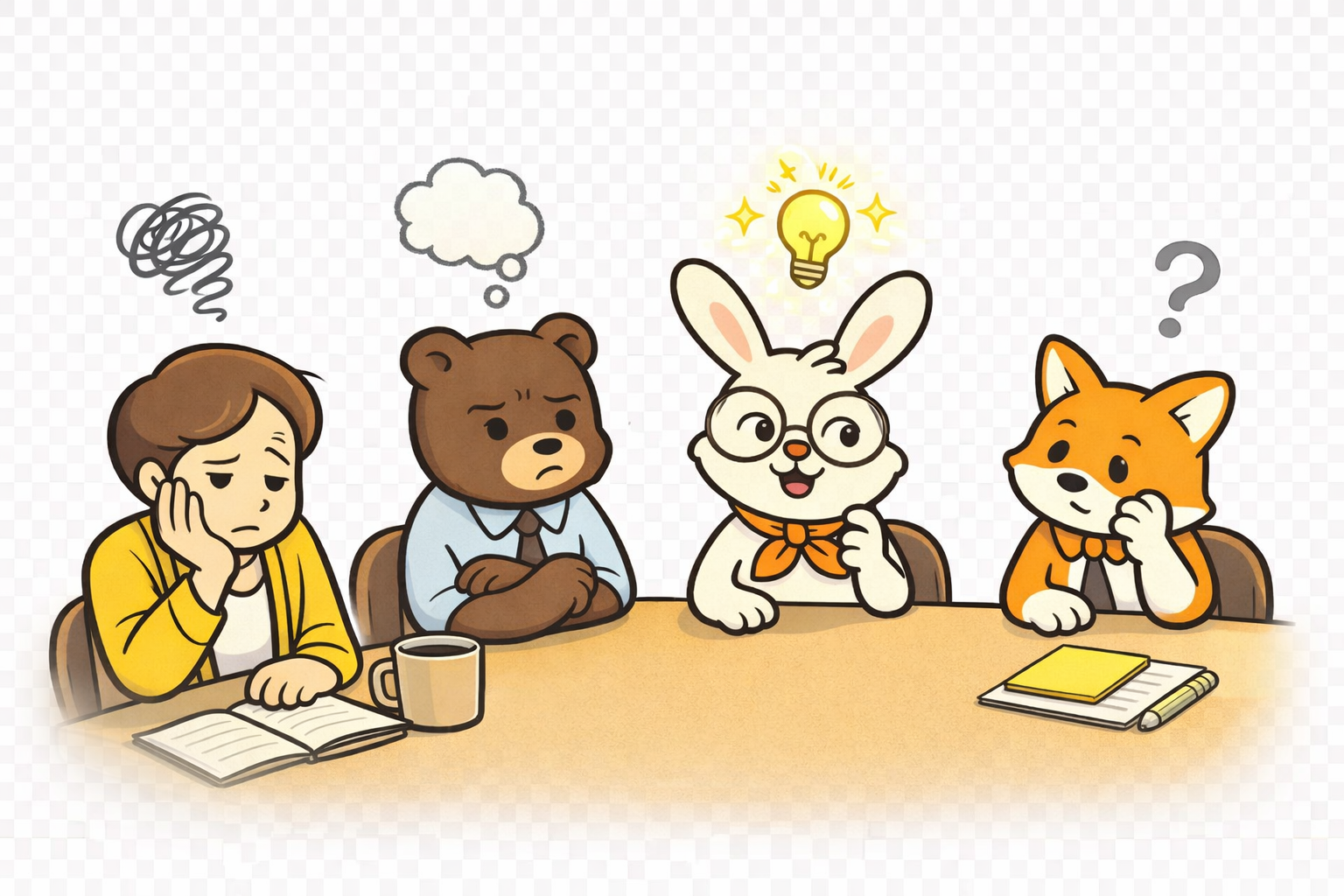
How This Feels
Red HatPause to notice the emotional tone in the room, including tension, ease, doubt, or quiet alignment.
Start Brainstorming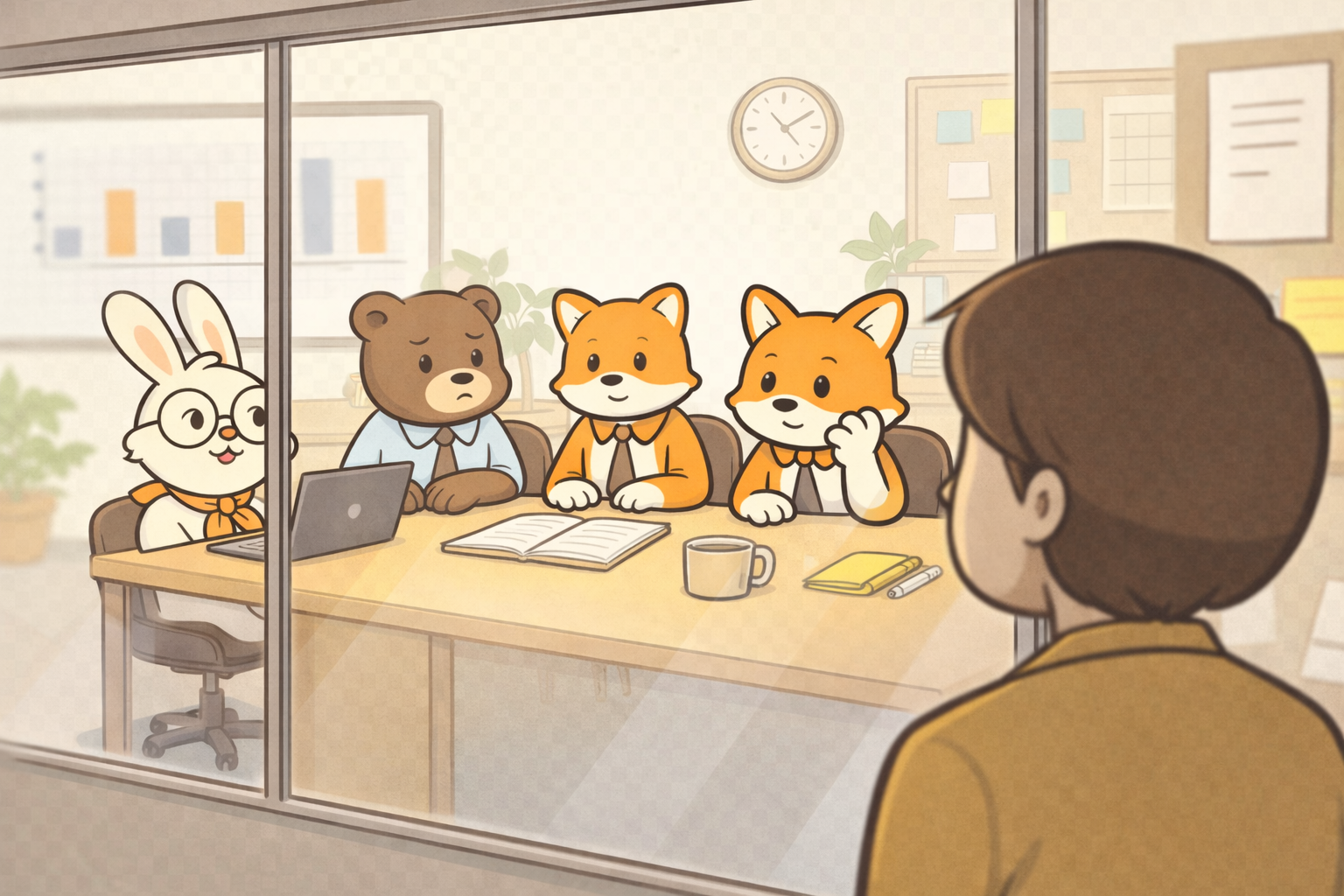
From the Outside
Green HatSee the situation as an outsider would, noticing clarity, confusion, and how this might be perceived.
Start Brainstorming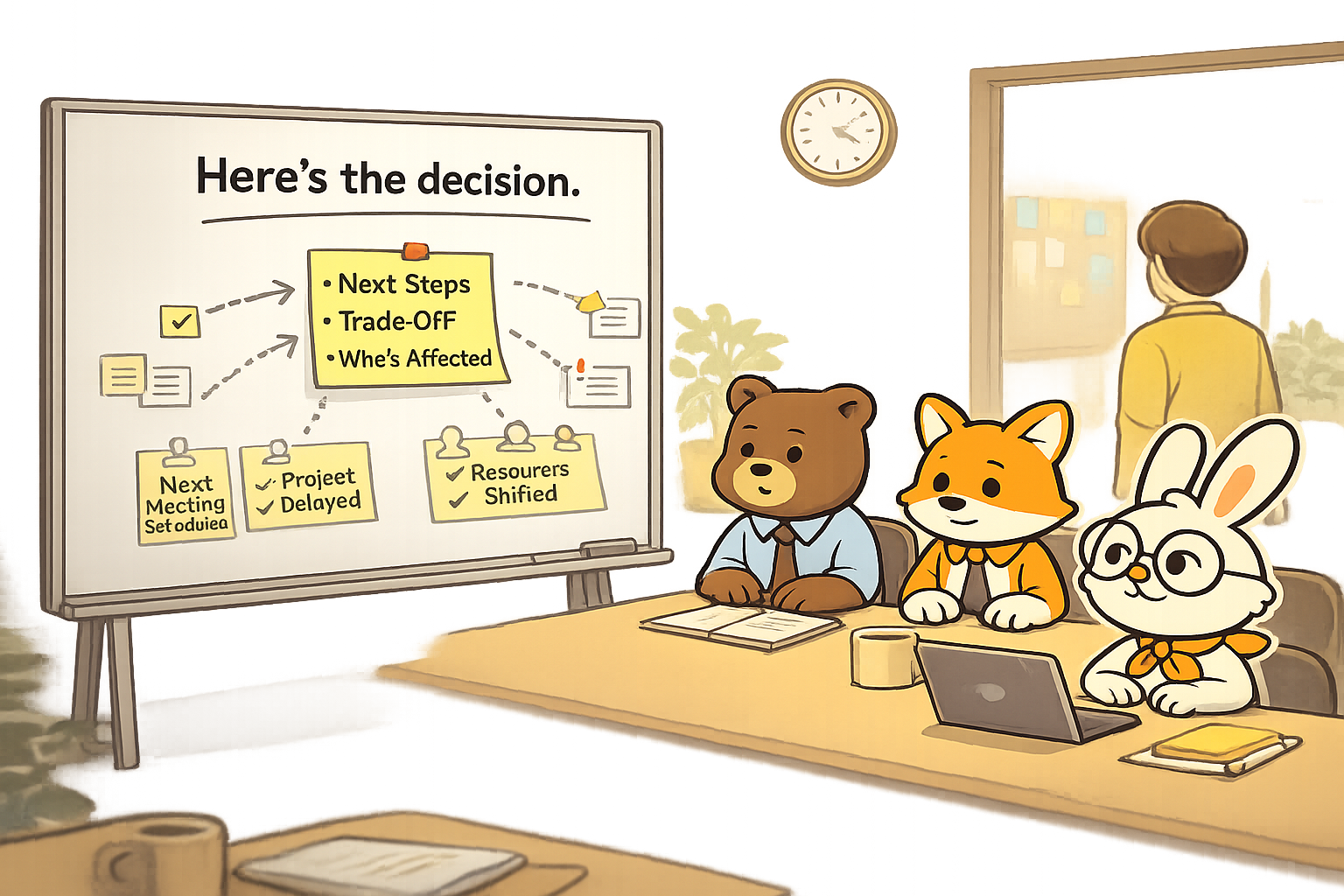
So What
Blue HatMake the implications explicit by exploring what this decision actually changes, triggers, or costs.
Start BrainstormingThe power of this approach: when everyone thinks in the same mode simultaneously, you avoid defensive arguing. During "What Could Go Wrong," nobody gets defensive about risks because everyone is looking for risks. During "What Could Work," pessimists are forced to find benefits. The structure creates psychological safety for exploring all angles.
When to Use Structured Brainstorming
Strategy Workshops
When leadership debates strategic direction, use all 6 modes to ensure the discussion covers facts, risks, benefits, emotions, outside perspective, and implications before deciding.
Product Launch Go/No-Go
Before launching, force the team to systematically explore: What data supports this? What could fail? What advantages do we have? How does the team feel about readiness?
Crisis Response
During incidents, structured thinking prevents panic. Start with facts only. Then explore risks. Then solutions. Prevents premature conclusions and ensures nothing critical is missed.
Hiring Decisions
When debating candidates, use the modes to separate facts (actual qualifications), risks (culture fit concerns), benefits (unique strengths), and gut feel (emotional response).
Architectural Reviews
When engineers debate technical approaches, force the conversation through all modes: What are the facts? What could go wrong? What are the benefits? What does this cost long-term?
Budget Allocation
When stakeholders fight over resources, structured thinking reveals trade-offs. What are the constraints (facts)? What risks do we accept by underfunding X? What gains come from funding Y?
Ready to Structure Your Thinking?
Choose a thinking mode and explore guided prompts designed to surface what traditional brainstorming misses.
Start BrainstormingFrequently Asked Questions
How to run a Six Thinking Hats session remotely?
Remote Six Thinking Hats sessions work best with structured digital tools that guide teams through each mode sequentially. Start by sharing the tool link and explaining that everyone will explore the same perspective simultaneously. Begin with "Just the Facts" to establish shared understanding, then move through risks, benefits, emotions, outside perspective, and implications in order. Each mode should take 5-10 minutes. Record key insights from each mode before moving to the next. Remote sessions benefit from this structure because it prevents the chaos of people talking over each other in video calls.
What is the best tool for lateral thinking?
Lateral thinking requires forcing perspective shifts rather than allowing natural thought patterns. Digital alternatives to traditional Six Thinking Hats workshops include structured brainstorming tools (like this one), random word generators for creative associations, constraint-based thinking prompts, and reverse brainstorming (ask "How could we make this fail?"). The key is externally imposed structure—tools that make you think in ways you wouldn't naturally. Pen-and-paper brainstorming rarely produces lateral thinking because people default to obvious ideas without external forcing functions.
How to break decision paralysis?
Decision paralysis often stems from mixing concerns simultaneously: fears about risks, hopes for benefits, uncertainty about facts, and emotional resistance all collide into gridlock. Break paralysis by separating these concerns through structured thinking. First, agree on facts only—what do we actually know? Then explore risks in isolation—what could go wrong if we proceed? Then benefits—what could go right? By examining each dimension separately, decisions become clearer because you're no longer trying to hold competing concerns in your head simultaneously. Often, paralysis breaks when you realize the facts support action despite emotional resistance, or vice versa.
Do I need to use all 6 modes every time?
No. While comprehensive decisions benefit from all 6 modes, you can use individual modes for specific needs. If your team is overly optimistic, force "What Could Go Wrong" only. If pessimism dominates, use "What Could Work" to balance the discussion. If the conversation is purely analytical, add "How This Feels" to surface emotional concerns. The modes work independently—there's no requirement to complete all six. However, for major decisions (strategy, launches, hiring), covering all modes reveals blind spots you'd otherwise miss.
Is this the same as Edward de Bono's Six Thinking Hats?
This tool is inspired by Edward de Bono's Six Thinking Hats framework but adapted for digital collaboration and modern decision-making contexts. The core principle remains: structured parallel thinking where everyone explores the same perspective simultaneously. The six modes map to de Bono's hats (White/Facts, Black/Risks, Yellow/Benefits, Red/Feelings, Green/Alternatives, Blue/Process), but the prompts and language are updated for product teams, remote work, and contemporary decision contexts. If you're familiar with Six Thinking Hats methodology, you'll recognize the structure immediately.
How long should each thinking mode take?
For most decisions, spend 5-10 minutes per mode. Small decisions might need only 2-3 minutes each. Major strategic decisions might warrant 15-20 minutes per mode. The key is giving each mode enough time to exhaust that perspective—when the team runs out of new insights, move to the next mode. Resist the urge to rush through modes or skip ahead. The value comes from fully exploring each perspective before mixing them. Time-boxing prevents overthinking: set a timer, explore the mode, then move on.
Do I need to create an account?
No. This structured brainstorming tool is completely free and requires no signup. Click any thinking mode to start exploring prompts immediately. Use it for strategy sessions, product decisions, crisis response, or any situation where circular debates need structure. No data collection, no friction, no barriers—just guided thinking modes designed to surface what unstructured brainstorming misses.